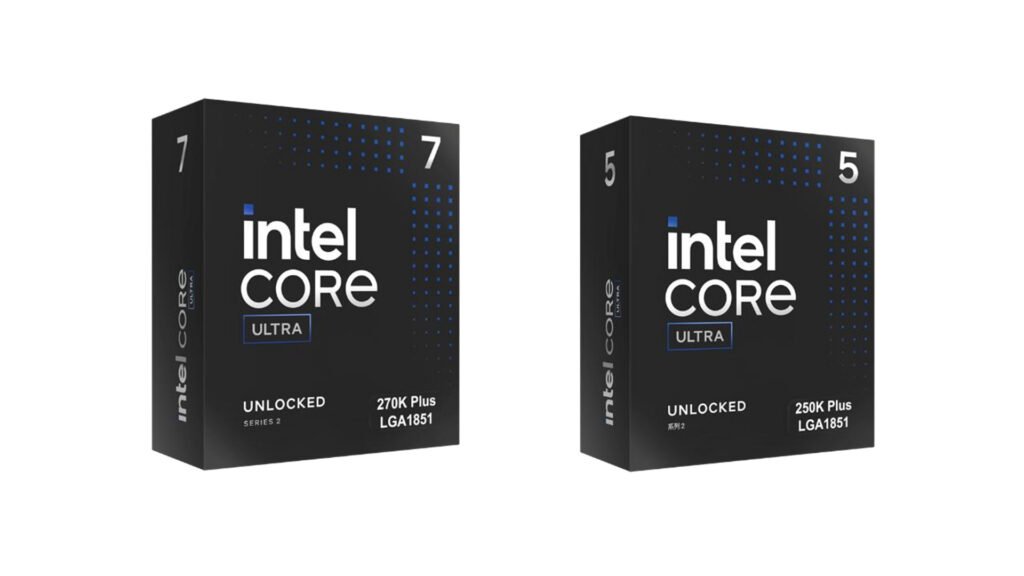
The growing demand for artificial intelligence infrastructure is putting additional pressure on the processor market, with major chipmakers reportedly increasing prices across several CPU product lines. Intel and Qualcomm have already introduced price hikes, while AMD is expected to follow with a reported increase of around 10% for selected Ryzen and EPYC processors.

These changes could affect more than just chip manufacturers. Higher processor costs may eventually influence laptop pricing, desktop PC upgrades, business computers and data centre hardware. With manufacturing expenses also expected to rise, the pressure on CPU prices could continue into 2027.
Intel Raises Prices Across Multiple CPU Families
Intel has reportedly implemented price increases across several processor families earlier than initially expected. According to a report published by Taiwan’s Commercial Times, the company began adjusting prices in September 2026, rather than waiting until October as previously anticipated.
The reported increases vary by product category, with some high-end processors facing steeper adjustments than entry-level chips.
Intel’s upcoming Panther Lake processors are among the most affected products. According to the report, certain models featuring more powerful integrated graphics have seen price increases of approximately 15% to 20%. The change does not necessarily apply to every processor in the family, as the adjustments reportedly depend on the specific configuration.
Other Intel processor lines have also experienced price changes. The report indicates that Alder Lake and Twin Lake products have received increases ranging from approximately 10% to 20% for certain models, while selected entry-level, low-power processors have seen increases of around 5% to 10%.
These figures suggest that the impact is not uniform across Intel’s portfolio. Buyers choosing processors for different workloads may face different levels of price pressure depending on the product and configuration.
Qualcomm Also Increases Snapdragon PC Processor Prices
Intel is not the only manufacturer reportedly adjusting its CPU pricing. Qualcomm has also raised prices for its PC processor platforms, including the Snapdragon X and Snapdragon X2 Elite families.
According to the reported information, Qualcomm’s price increase is approximately 10%, with the new pricing taking effect on October 1, 2026.
Qualcomm’s Snapdragon processors are designed for Windows PCs, including laptops that emphasise power efficiency and extended battery life. Its newer platforms are also positioned to support AI-related workloads directly on compatible devices.
A price increase at the processor level could make it more expensive for laptop manufacturers to source these platforms. Whether that translates into higher retail prices will depend on factors such as existing inventory, manufacturer agreements, product margins and competition between laptop brands.
Computer manufacturers may absorb some of the additional expense, adjust configurations or revise retail prices. The eventual impact on consumers will therefore vary by product and market.
AMD Could Introduce a Price Increase of Around 10%
AMD may be the next major processor manufacturer to adjust its prices. The report suggests that selected Ryzen and EPYC CPU families could become approximately 10% more expensive.
However, the timing of AMD’s reported price adjustment has not been confirmed in the supplied information. It is also unclear which individual processor models would be affected or whether the increase would apply across entire product families.
Ryzen processors are widely used in consumer desktops and laptops, while AMD’s EPYC range targets servers and data centre workloads. If the reported adjustment goes ahead, its effects could reach both personal computing and enterprise hardware markets.
For individual buyers, higher processor prices could influence the cost of building a new desktop PC or upgrading an existing system. Businesses purchasing servers in larger quantities could also face higher hardware expenses, depending on the processors and configurations they select.
It is important to distinguish between reported pricing changes and confirmed retail price increases. A change in what chipmakers charge their customers does not automatically mean every Ryzen or EPYC processor will become 10% more expensive in stores.
TSMC’s Manufacturing Costs Add to the Pressure
Rising processor prices are being linked to broader cost pressures across the semiconductor industry. Taiwan Semiconductor Manufacturing Company (TSMC), one of the world’s leading chip manufacturers, is reportedly preparing further manufacturing price increases for 2027.
According to a report from Taiwan’s Central News Agency, industry analysts expect different levels of price adjustments across TSMC’s manufacturing and packaging services.
The reported forecasts include:
- Advanced manufacturing nodes: Potential increases of 5% to 10%.
- Advanced packaging: Potential increases of 10% to 15%.
- Mature manufacturing nodes: Potential increases of 3% to 5%.
These figures are forecasts attributed to industry analysts, rather than confirmation that every customer will pay the same higher rates.
Advanced manufacturing processes are important for producing high-performance processors used in computers, AI systems and data centres. Advanced packaging also plays a growing role in combining complex chip components into efficient computing platforms.
If these services become more expensive, chip designers and other customers could face higher production costs. The extent to which those costs are passed on to buyers will depend on contracts, manufacturing arrangements, product demand and individual companies’ pricing strategies.
AI Demand Is Changing the Economics of the CPU Market
Much of the attention surrounding the AI boom has focused on graphics processing units (GPUs), which are widely used to train and run large AI models. However, CPUs remain essential to the infrastructure supporting these systems.
Processors manage general-purpose computing tasks, coordinate workloads and handle many operations required by servers and AI platforms. As companies expand their data centre capacity, demand for CPUs can rise alongside demand for GPUs, memory and networking hardware.
At the same time, AI development is increasing demand for high-performance computing equipment and advanced semiconductor manufacturing capacity. This creates additional pressure on suppliers, particularly when several product categories compete for limited production resources.
The cost of high-performance memory and storage can add to the expense of building modern computing systems. These components are particularly important in servers and AI infrastructure, where large amounts of data must be processed and accessed quickly.
However, AI demand is not the only factor that influences CPU prices. Manufacturing yields, product specifications, supply agreements, competition and inventory levels can also affect pricing decisions.
What Higher CPU Prices Could Mean for Consumers
If processor price increases continue, the effects could extend to several parts of the computer market.
Laptops and desktop PCs: Higher chip costs may put pressure on computer manufacturers to increase prices or adjust the specifications offered at particular price points.
Custom PC builds: Consumers planning to build a desktop system may need to reconsider their budgets if processor prices rise. Comparing older and newer models could become more important.
Business computers: Organisations buying large numbers of PCs may face higher procurement costs when renewing their hardware fleets.
Servers and data centres: Price changes affecting AMD EPYC processors and other server CPUs could increase hardware expenses for businesses expanding their computing infrastructure.
These outcomes are possibilities rather than guaranteed results. Manufacturers may use existing stock, negotiate different supply agreements or absorb part of the additional cost to remain competitive.
Conclusion
Intel and Qualcomm have reportedly increased prices across selected processor families, while AMD could introduce a price hike of around 10% for certain Ryzen and EPYC CPUs. At the same time, projected increases in semiconductor manufacturing and advanced packaging costs could add further pressure in 2027.
The combination of AI-related demand, manufacturing expenses and competition for advanced semiconductor capacity is creating a challenging environment for chipmakers and hardware manufacturers.
For now, buyers should avoid assuming that every processor will receive the same increase. Anyone planning a PC upgrade, laptop purchase or server deployment should compare current prices, check the specifications of individual models and monitor official announcements from Intel, Qualcomm and AMD before making a decision.
Note: Product details, pricing, and availability may change over time. While we try to keep information accurate, please verify details from the official website before purchasing. Some content may be assisted by AI tools like ChatGPT, and some articles may contain affiliate links that may earn us a small commission at no extra cost to you. Reviews, opinions, and feature highlights are based on official specifications and publicly available information at the time of writing.
Explore our
News Section
for daily updates and the latest tech news.Join our
WhatsApp Channel
for instant updates.