Apple is expected to refresh its entry-level iPhone lineup once again with the launch of the iPhone 17e, and if industry chatter is accurate, the announcement could happen later this month. Last year, Apple introduced the iPhone 16e in mid-February, and the company appears to be following a similar timeline for its successor.
The iPhone 17e is said to continue Apple’s strategy of offering a more affordable iPhone without completely redesigning the device. Instead of major visual changes, Apple seems to be focusing on internal upgrades that enhance performance, connectivity, and future readiness.
Reports suggest that Apple may unveil the iPhone 17e around the same period as the previous model. With the iPhone 16e launching on February 19 last year, expectations are building for a similar mid-to-late February launch window in 2026. While Apple has not officially confirmed any date, the timing aligns with its recent pattern for entry-level releases.
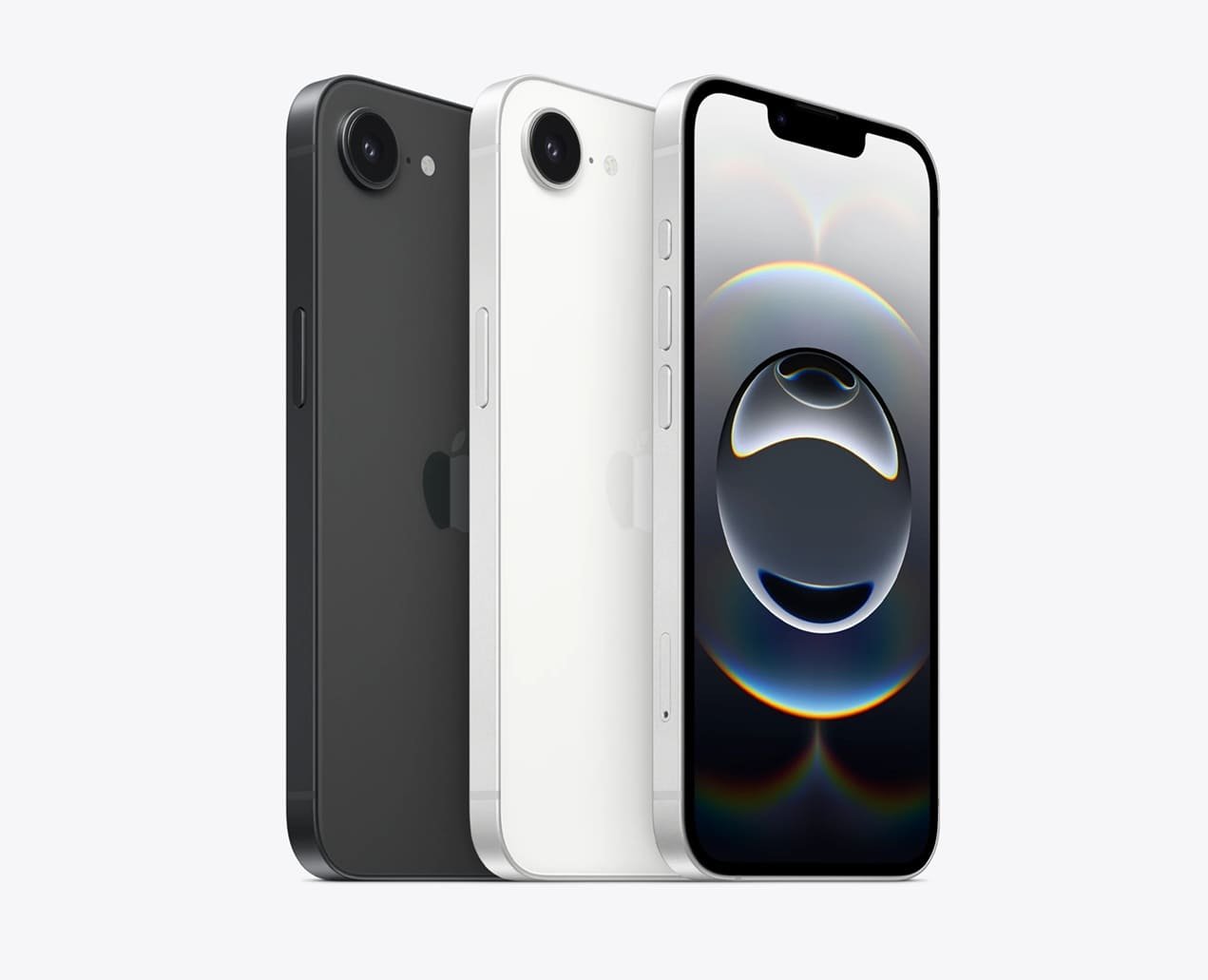
According to current leaks, the iPhone 17e will largely retain the design language of the iPhone 16e. This means users should not expect a major visual overhaul.
Earlier rumours hinted at the possibility of Apple introducing the Dynamic Island to the iPhone 17e. However, more recent reports from reliable sources suggest that Apple will stick with the traditional notch design once again. This decision keeps the iPhone 17e visually consistent with its predecessor and helps maintain a clear distinction between premium and entry-level models.
The device is expected to feature the same display size, a single rear camera setup, the Action Button, and a USB-C port, just like the iPhone 16e. These choices suggest Apple is prioritizing cost control while refining the internal experience.
While the exterior may look familiar, the iPhone 17e is rumored to bring three meaningful internal upgrades that could noticeably improve day-to-day usage.
The biggest upgrade is expected to be the new A19 chipset, replacing the A18 found in the iPhone 16e. This change should result in smoother performance, better power efficiency, and improved support for upcoming iOS features. For users upgrading from older iPhones, the performance jump could be quite noticeable.
Apple is also likely to introduce its C1X modem in the iPhone 17e. According to reports, this modem is said to be up to twice as fast as the C1 modem used in the previous model. Faster cellular speeds and improved network stability could be a major advantage, especially for users who rely heavily on mobile data.
Another important upgrade is the inclusion of the N1 chip, which supports Wi-Fi 7 and Bluetooth 6. This brings the iPhone 17e closer to Apple’s flagship devices in terms of wireless technology, offering faster data transfers, lower latency, and better connectivity with modern accessories.
With the iPhone 17e, Apple appears to be reinforcing its entry-level strategy rather than reinventing it. By keeping the design familiar and focusing on internal improvements, Apple can offer better performance and connectivity while maintaining a lower price point.
This approach also helps Apple differentiate the iPhone 17e from its Pro and standard models, ensuring that premium features remain exclusive to higher-end devices.
The iPhone 17e may not turn heads with a bold new design, but the expected upgrades make it a meaningful improvement over its predecessor. A faster A19 chip, a more powerful modem, and next-generation wireless support could make it a strong option for users looking for a reliable and modern iPhone at a more accessible price. If Apple sticks to its usual launch window, the iPhone 17e could arrive very soon, giving buyers another solid reason to consider the entry-level iPhone lineup.
Via: (Source), Image Credits: iPhone 16e
To know more about our platform, visit our About Us page.


Comments